
 企业平台
企业平台 发现评估
发现评估 自动化
自动化 AI+自动化
 行业解决方案
 业务解决方案
 合作伙伴
合作伙伴 生态联盟
生态联盟 咨询服务
咨询服务 培训服务
培训服务 交流社区
交流社区 客户成功
客户成功 产品文档
产品文档
 公司介绍
公司介绍 新闻列表
新闻列表 联系我们
联系我们 加入我们
加入我们

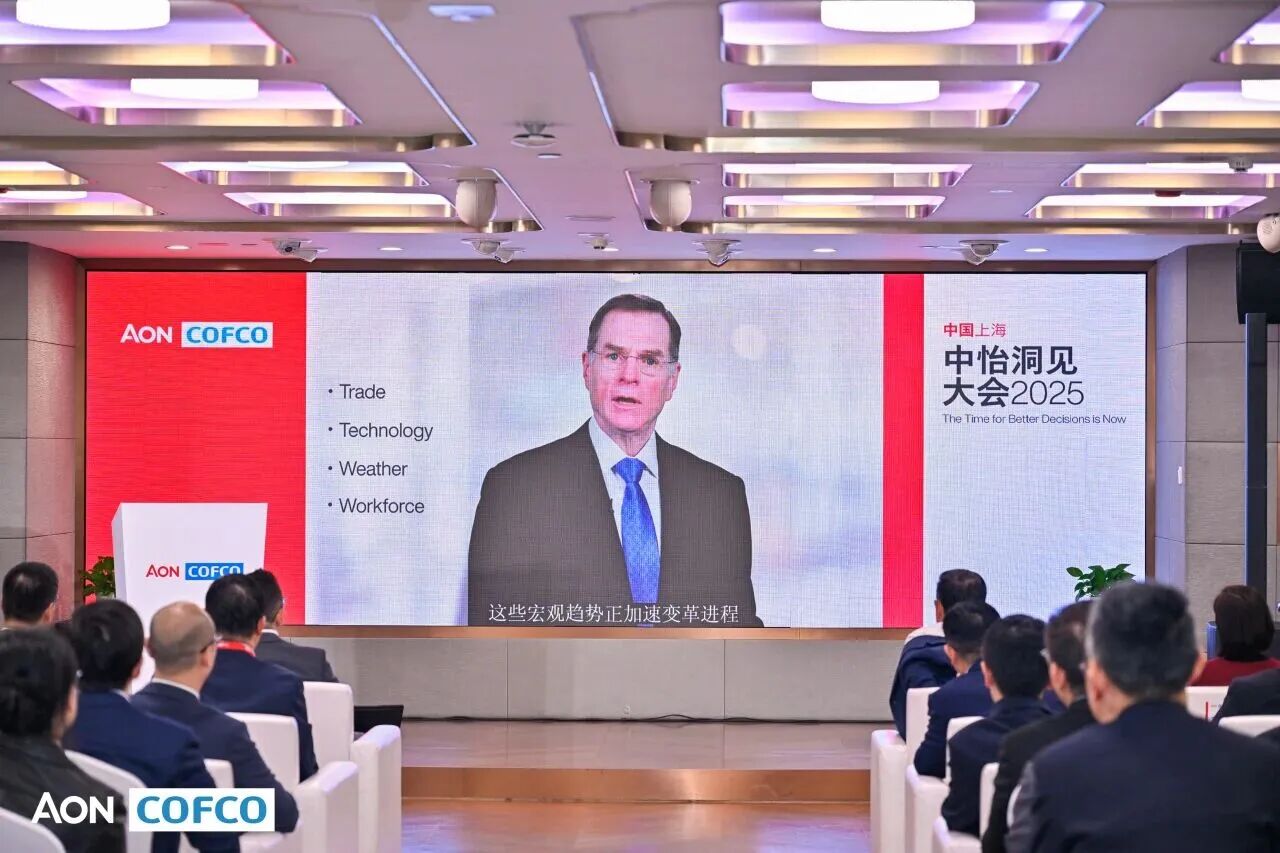
On October 30, the 2025 Zhongyi insight conference with the theme of "seeing trends and managing change" was successfully held in Shanghai. The conference brought together many industry experts and business leaders, focusing on the four trends of trade, climate, human capital and artificial intelligence, and jointly discussed how enterprises can optimize decision-making and build resilience in the process of change.
As a leader in the field of super automation in China, Wu Xin, CTO of i-Search, was invited to attend the high-end dialogue session of the conference - "Pujiang night talk: will AI subvert our industry? ”And engaged in ideological confrontation with many enterprise leaders. In response to the general anxiety caused by the "Ai subversion theory", Wu Xin shared his original opinion: AI itself is not a subversive force, but an "extension" of the industry; The real subversion will be the old model of AI that is not embraced in the industry.
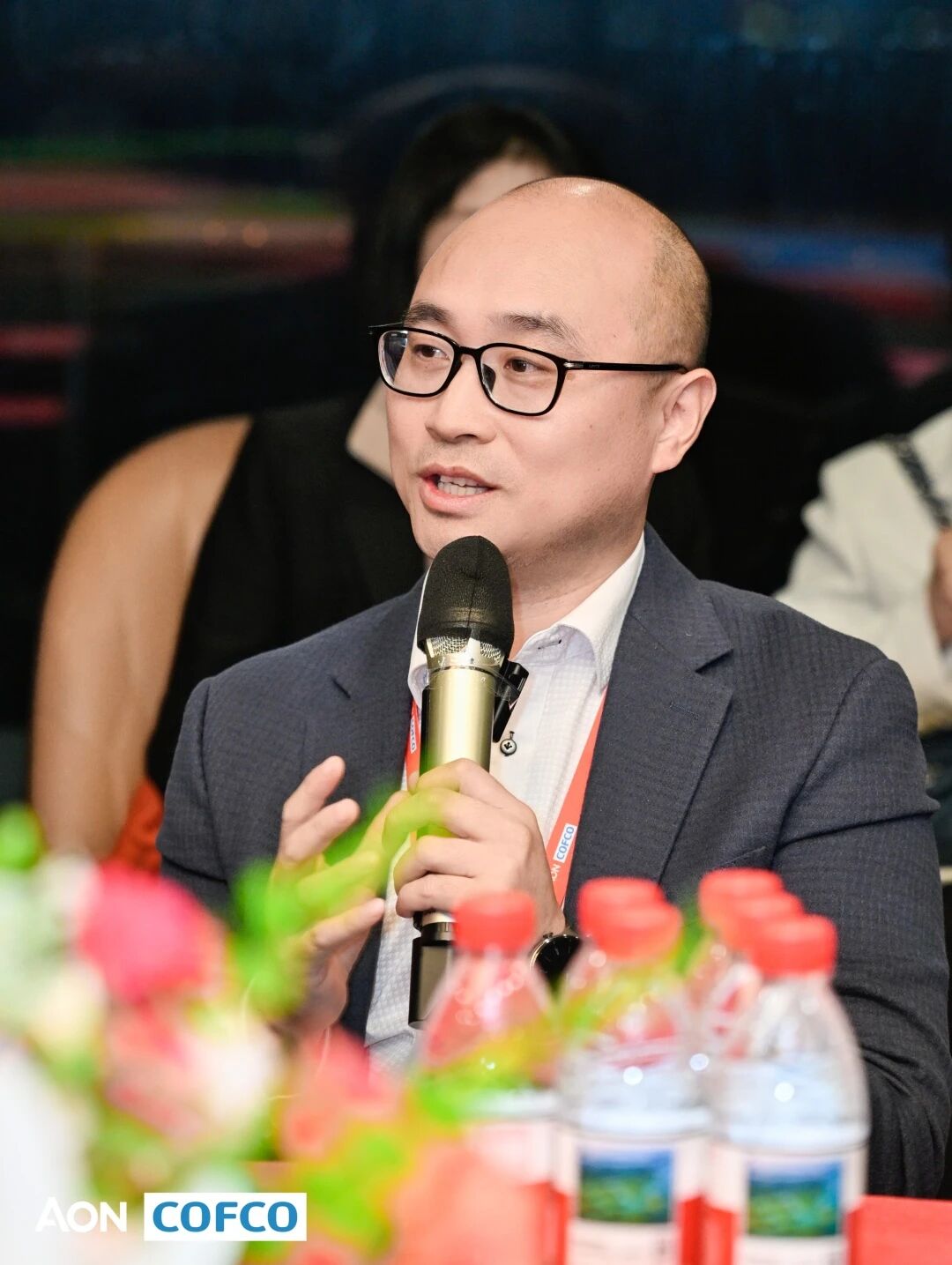
AI is "extension" rather than "subversion"
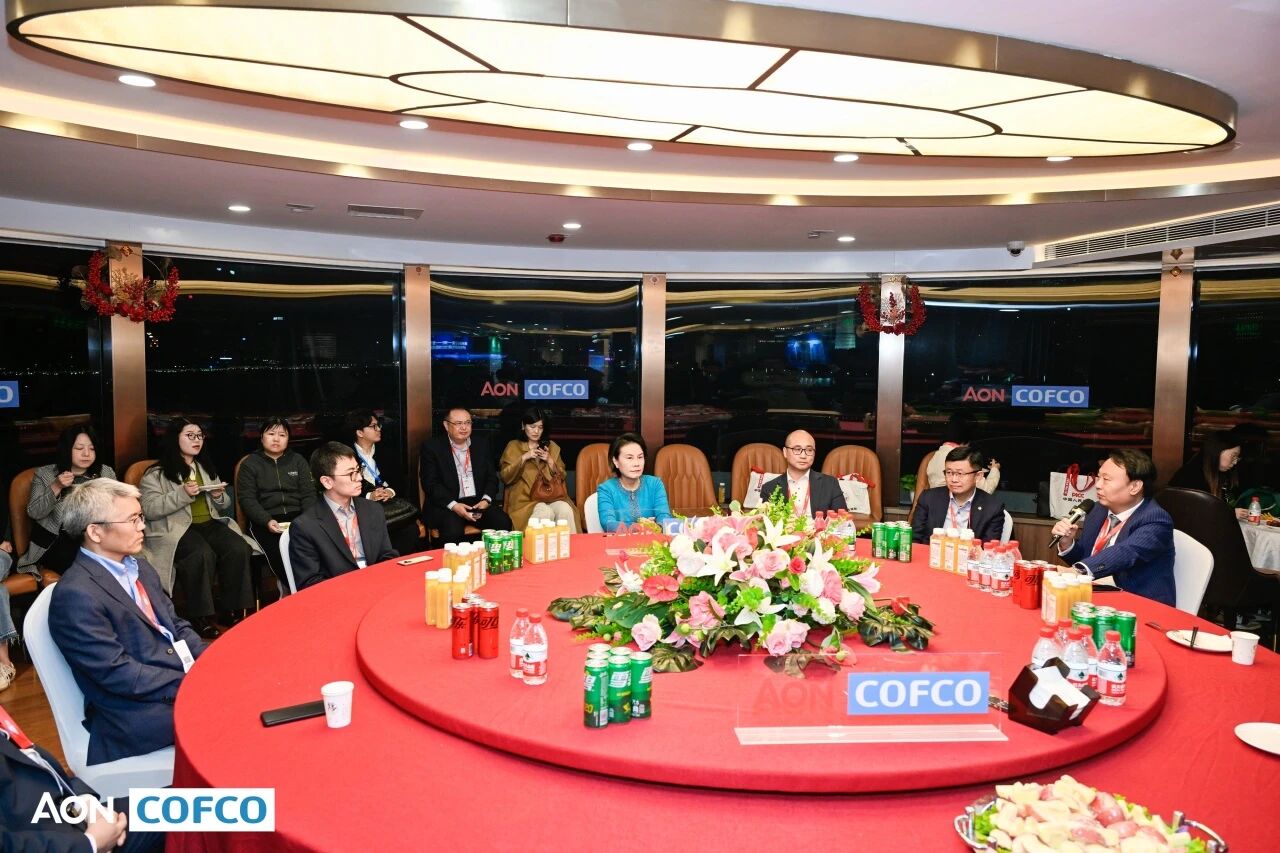
This meeting not only showed i-Search's technology foresight in the field of "agent+automation", but also provided a clear path reference for enterprises to promote AI transformation in a pragmatic manner. In the future, i-Search will continue to deepen technology integration, help enterprises move forward steadily in the AI era, and transform technology potential into real business toughness and competitive advantage.
As a leader in the field of super automation in China, Wu Xin, CTO of i-Search, was invited to attend the high-end dialogue session of the conference - "Pujiang night talk: will AI subvert our industry? ”And engaged in ideological confrontation with many enterprise leaders. In response to the general anxiety caused by the "Ai subversion theory", Wu Xin shared his original opinion: AI itself is not a subversive force, but an "extension" of the industry; The real subversion will be the old model of AI that is not embraced in the industry.
AI is "extension" rather than "subversion"
Industry resilience comes from the combination of people and technology
During the discussion, Wu Xin pointed out that from the perspective of the history of technology development, no technological revolution has really subverted an industry, but people in the industry have mastered technology and made the industry stronger. "AI has changed the way of work, but its essence has not changed," he said for example. "Just as the PC era has changed manual accounting into computer accounting, AI can now analyze customer portraits and conduct daily insurance tests, but it still can not solve deep-seated problems such as compliance, trust, law and ethics. ”Therefore, he proposed that enterprises should adhere to the strategy of "seeking progress while maintaining stability" of "embracing optimism in strategy and moving forward cautiously in implementation" in the face of AI.
During the discussion, Wu Xin pointed out that from the perspective of the history of technology development, no technological revolution has really subverted an industry, but people in the industry have mastered technology and made the industry stronger. "AI has changed the way of work, but its essence has not changed," he said for example. "Just as the PC era has changed manual accounting into computer accounting, AI can now analyze customer portraits and conduct daily insurance tests, but it still can not solve deep-seated problems such as compliance, trust, law and ethics. ”Therefore, he proposed that enterprises should adhere to the strategy of "seeking progress while maintaining stability" of "embracing optimism in strategy and moving forward cautiously in implementation" in the face of AI.
From "software robot" to "agent"
The key to AI implementation is business driven and value priority
When the topic turned to the input and output of AI, Wu Xin analyzed the key to the successful implementation of AI in combination with the practice of serving customers in multiple industries of yisaiqi. He shared four core insights on how to improve the success rate and return of AI projects:
When the topic turned to the input and output of AI, Wu Xin analyzed the key to the successful implementation of AI in combination with the practice of serving customers in multiple industries of yisaiqi. He shared four core insights on how to improve the success rate and return of AI projects:
1. organizational acceptance is the primary challenge: promoting AI must be a No. 1 project, and the key is the unity of high-level cognition. The resistance often comes from people's fear of job replacement, rather than the technology itself;
2. expectation management is very important: to avoid high expectation of AI, we should start from small pain points, such as document entry and analysis in the logistics industry, and let value first;
3. deep business participation is the basis for success: AI projects cannot be driven by the technical department alone, but must be deeply participated by business personnel. "If the business does not participate, the project basically fails";
4. pursue measurable value return: the input-output ratio needs to be clearly measured, and the path from "being able to use" to "being easy to use" and then to "being used" should be followed, giving priority to the pilot of high-value scenarios, and then pursuing large-scale promotion.
This meeting not only showed i-Search's technology foresight in the field of "agent+automation", but also provided a clear path reference for enterprises to promote AI transformation in a pragmatic manner. In the future, i-Search will continue to deepen technology integration, help enterprises move forward steadily in the AI era, and transform technology potential into real business toughness and competitive advantage.
